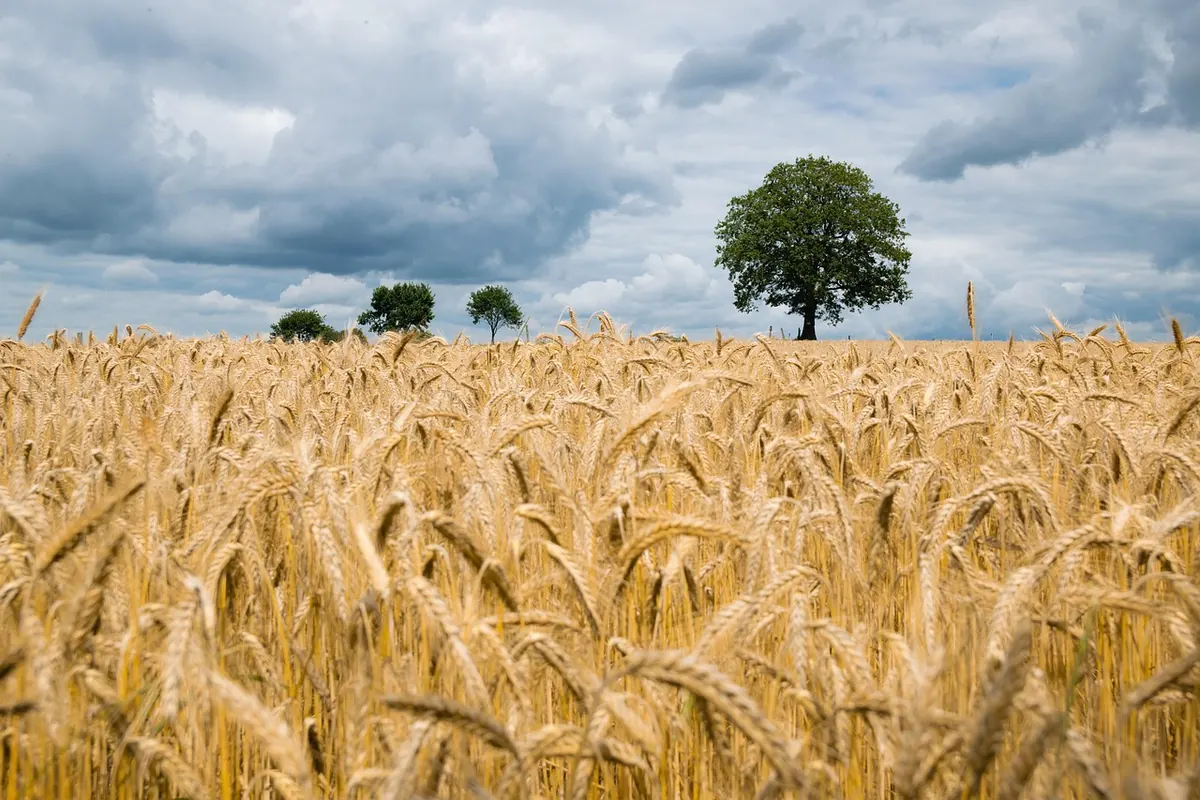
Common Mistakes When Baking with Freshly Milled Flour
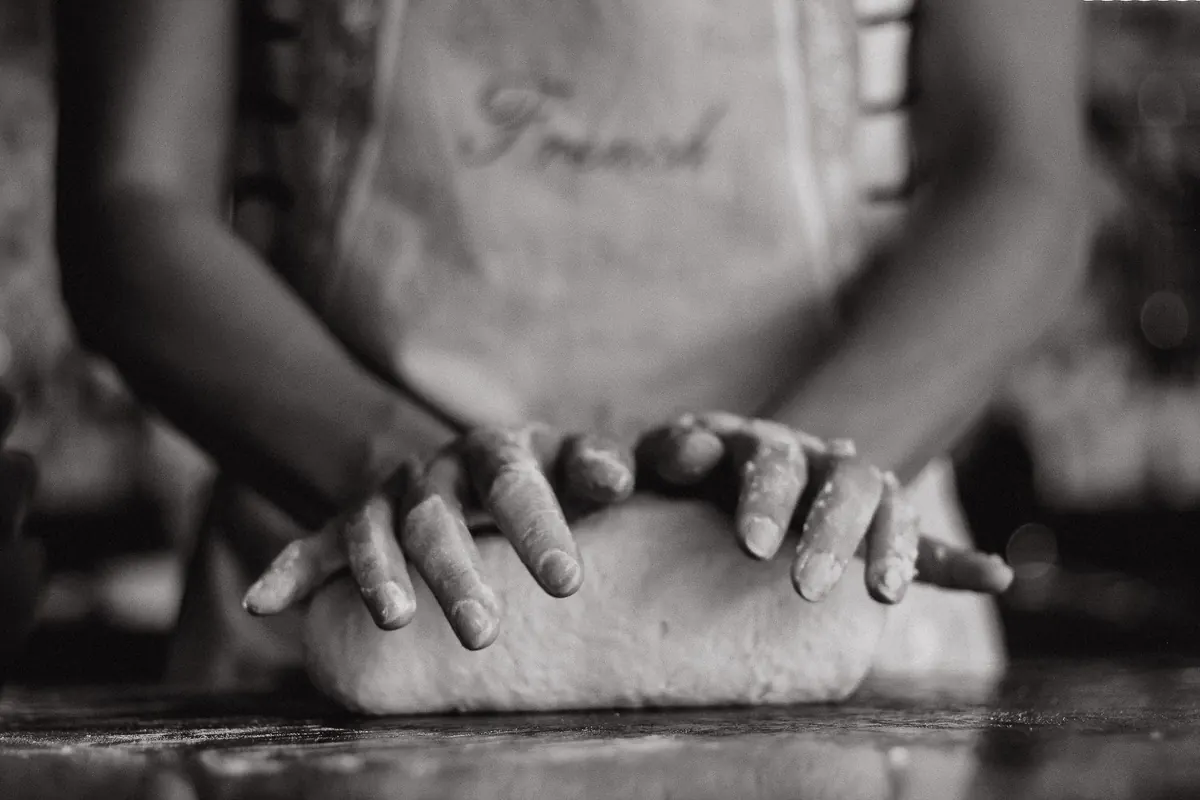
A bag of flour milled last week is not the same ingredient as the bag that has sat in a warehouse since spring. Fresh flour smells of the wheat it came from — grassy, nutty, sometimes faintly sweet — and it behaves just as vividly. Bakers bringing home their first bag often end up with a dough that stiffens like clay, or a loaf that ferments faster than expected and slumps in the oven. The flour is rarely at fault. What goes wrong is that fresh flour gets treated like the aged white flour a recipe was written for.
None of these mistakes are fatal. Each has a workaround you can feel in your hands within a bake or two.
Expecting Fresh Flour to Take the Same Water
Whole grain flour, especially flour milled days ago, absorbs more water than aged white flour. The bran particles are thirsty and slow. A dough that looks right at the end of mixing often tightens noticeably twenty minutes later, so the baker adds water, then more water, and ends up with a slack, sticky mass that seems to prove the flour is weak. The opposite happens too: fresh flour can feel wetter than it is, because bran holds water loosely at the surface and keeps it from reaching the gluten.
Two habits fix most of this. Hold back roughly five percent of the water in any recipe and add it after a rest, when the dough has told you what it needs. And stop chasing a hydration percentage from a white-flour formula. A recipe calling for 75 percent water may want more or less from fresh whole grain flour, depending on the wheat, the mill setting and the humidity in your kitchen. Judge by feel: a well-hydrated whole grain dough is soft, slightly tacky, and springs back slowly when pressed.
Wet your hands, not the bowl
When a dough feels unmanageable, resist the urge to dust it with more flour. Wet hands and a short rest will usually bring it back. Extra flour changes the recipe; a rest only changes the schedule.
Skipping the Rest
Fresh flour needs time before it needs kneading. Give flour and water half an hour to an hour together — the autolyse, if you like the term — and the bran softens, the gluten begins to organize, and the dough becomes noticeably smoother. Skip that step and you spend the next twenty minutes fighting a dough that tears easily and never quite comes together.
Rest after shaping matters just as much. Whole grain doughs generally do better with a slower, cooler final proof, because the bran has had less time to hydrate and the gluten network is a little less extensible than a white-flour one. If your loaf spreads instead of rising, try a cooler spot, a shorter bulk ferment and a gentler shaping.
- Rest 30–60 minutes after mixing flour and water, before adding salt or starter.
- Let the dough sit 10 minutes between folds if it resists stretching.
- Chill the shaped loaf for an hour before baking if the dough feels loose.
- Note times and temperatures; fresh flour responds to warmth more dramatically than aged flour.
Treating Bran as an Enemy, or Ignoring It
Bran is the reason fresh flour tastes like something. It is also the reason your dough tears. Those flat shards cut through gluten strands as the dough is worked, which is why whole grain loaves tend to be denser and shorter than white ones. Bakers sometimes react by sifting out every last fleck of bran, and the result is pale, well risen and bland — white bread with a tan.
A middle path works better. Sift out part of the bran, soak it in a little hot water for twenty minutes, then fold it back into the dough near the end of mixing. The bran softens, the gluten has already formed, and you keep the flavour and the fibre. Toasting the bran before soaking adds a nutty note, though it also makes it thirstier. Remember that sifting changes absorption: a recipe written for the whole flour will need less water once a good part of the bran is gone, so adjust as you go.
Assuming Your Yeast Is in Charge
Fresh flour is not an inert powder. It carries more active enzymes, more readily available sugars and a livelier population of wild microorganisms than aged white flour. Sourdough starters fed with it often peak earlier and smell sharper. Yeasted doughs can proof faster than the recipe predicts, and if you wait for the same visual cues you relied on with supermarket flour, you will overproof.
Watch the dough rather than the clock. Judge bulk fermentation by how it looks and feels — a domed, jiggly surface, bubbles at the edges, a few air pockets under the skin — and shorten the timeline when it gets there early. In warm weather, use cooler water or move the bowl somewhere cooler. Keep the yeast dose modest, too: once a dough is overproofed, no amount of fresh flour will rebuild the structure the enzymes have already broken down.
Fresh flour does not ask for more yeast. It asks for more attention.
Choosing Flour Without Asking Questions
Not all fresh-milled flour is the same, and a bag labelled "whole wheat" tells you very little. Protein content, wheat variety, how finely it was milled and how much bran was sifted out all change how it bakes. Soft wheat flour makes tender, crumby breads and excellent cakes; hard wheat flour has the strength for a high-rising sourdough. If you can, ask the miller what wheat is in the bag, when it was milled, and whether it was bolted or sifted.
Storage is part of selection, too. Whole grain flour contains the germ, whose oils turn rancid within weeks at room temperature. Buy quantities you will use, keep the flour airtight in the freezer or a cool dark cupboard, and smell it before baking. Fresh flour smells sweet and wheaty; stale flour smells like old oil or cardboard. If it smells off, it will taste off.
A Practical Way to Start
Begin by replacing a portion of your usual flour rather than all of it. Twenty to thirty percent fresh-milled flour in a familiar recipe lets you see how it behaves without losing your reference point. Hold back some water, rest the dough before kneading, lengthen the autolyse, and keep fermentation cool. Weigh your ingredients if you can; two cups of fresh whole grain flour can weigh very differently from two cups of white, and that difference is enough to throw off a bake. Write down what you did, because the next bag may come from different wheat.
Then change one thing at a time. If the crumb is tight and the dough fought you, sift and soak some of the bran. If the loaf proofed before you were ready, use colder water. If it tastes flat, use the flour sooner and store it better. Fresh-milled flour rewards attention more than precision — the baker who watches the dough will always do better than the one who follows a chart.
Photo: Carolina Jorquera / Pexels