Hard Red vs Soft White Wheat: Which Flour for Which Bake
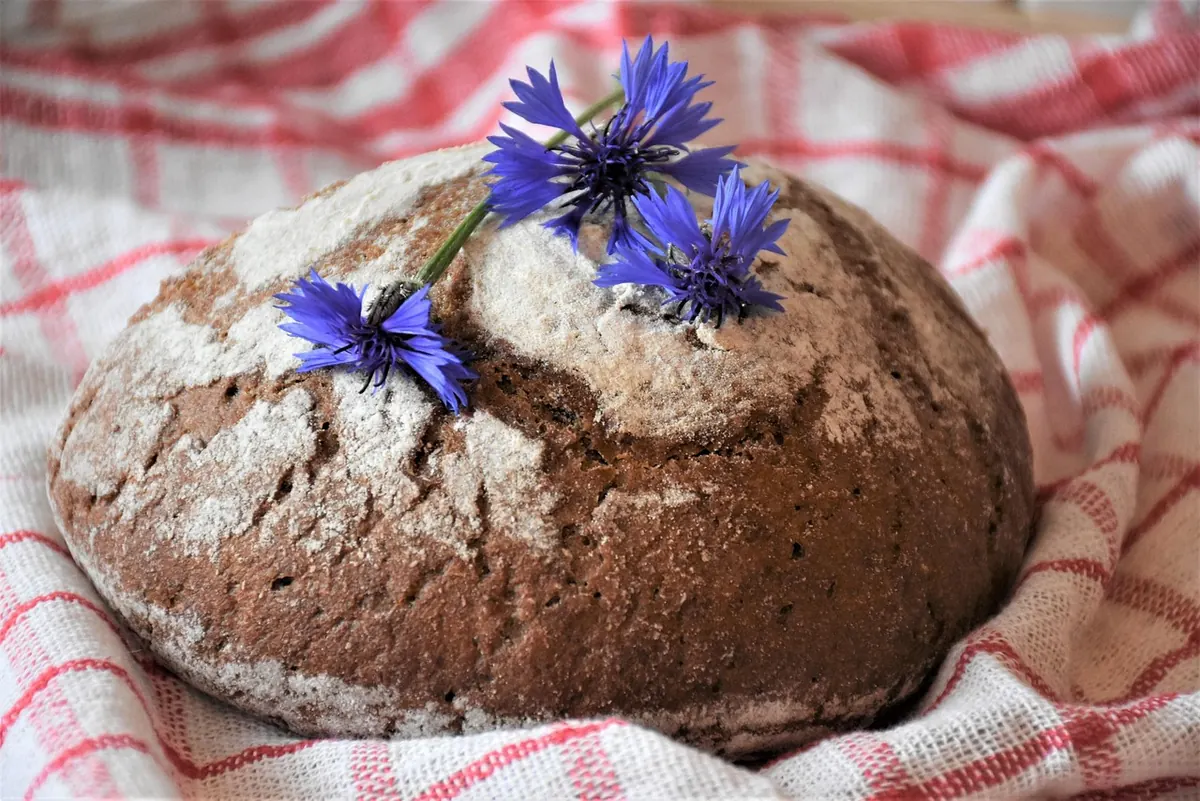
Two bags of whole-grain flour sit on the shelf, both stone-ground, both roughly the same pale tan, and they will behave nothing alike in your kitchen. One drinks water, holds its shape, and pushes up hard in the oven. The other stays slack, bakes soft, and cuts with a fork. The difference is the wheat class behind the flour: hard red or soft white. Once you know which one is in the bag, most of the guesswork about water, kneading, and what to bake with it disappears.
Protein, Gluten, and Kernel Texture
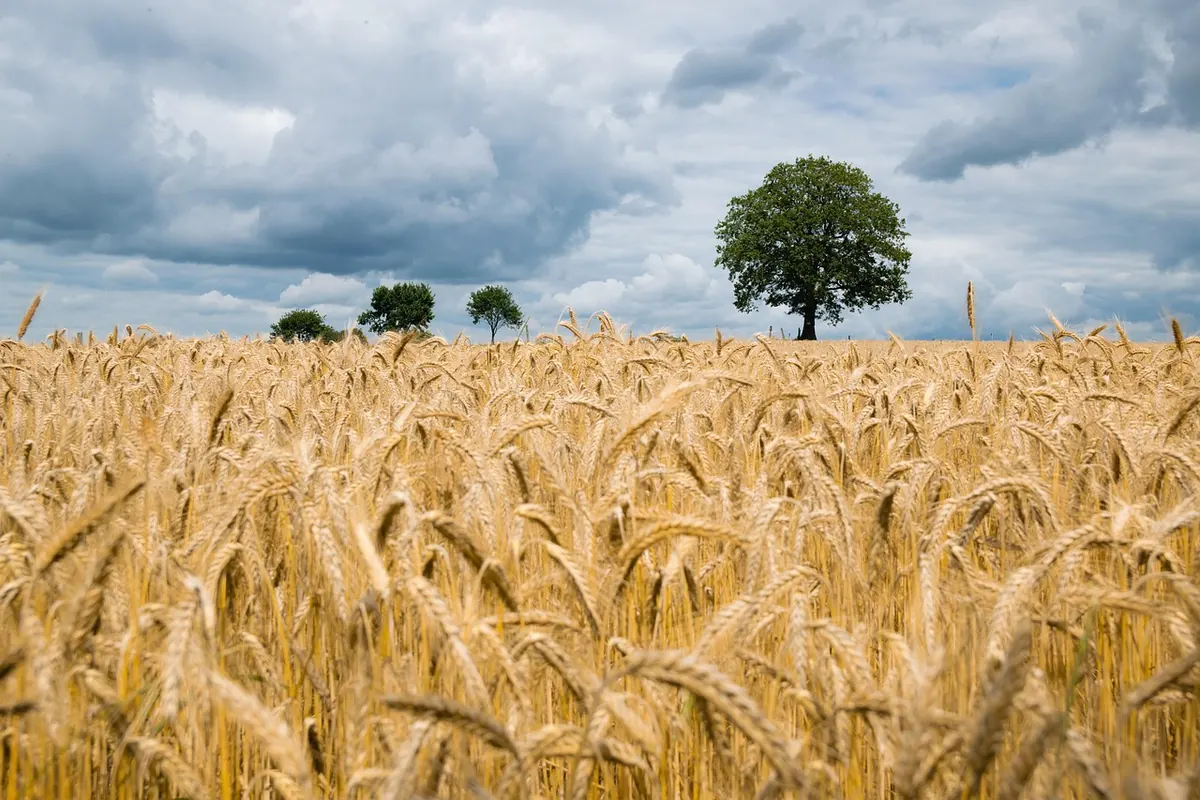
Hard and soft describe the kernel, not the flour. A hard wheat kernel is dense and glassy, and it resists the mill. Grinding it fractures more of the starch inside, and fractured starch absorbs water eagerly, which is why hard wheat flours feel thirstier and why doughs made from them tighten up as they rest. Soft wheat kernels are chalky and mill easily into a fine, silky powder that takes up much less water.
Protein follows the same split. Hard red wheats commonly land somewhere around 11 to 14 percent protein; soft white wheats sit closer to 8 to 10 percent. Those figures are a rough guide rather than a promise, since growing conditions, milling, and freshness all shift the number. What matters is what the protein does. Hard wheat carries more glutenin, the protein that gives dough elasticity and gas-holding strength. Soft wheat carries less, so its gluten is extensible but weak: it stretches without much pushback and tears if you work it hard.
Hard Red Wheat: Flour With a Spine
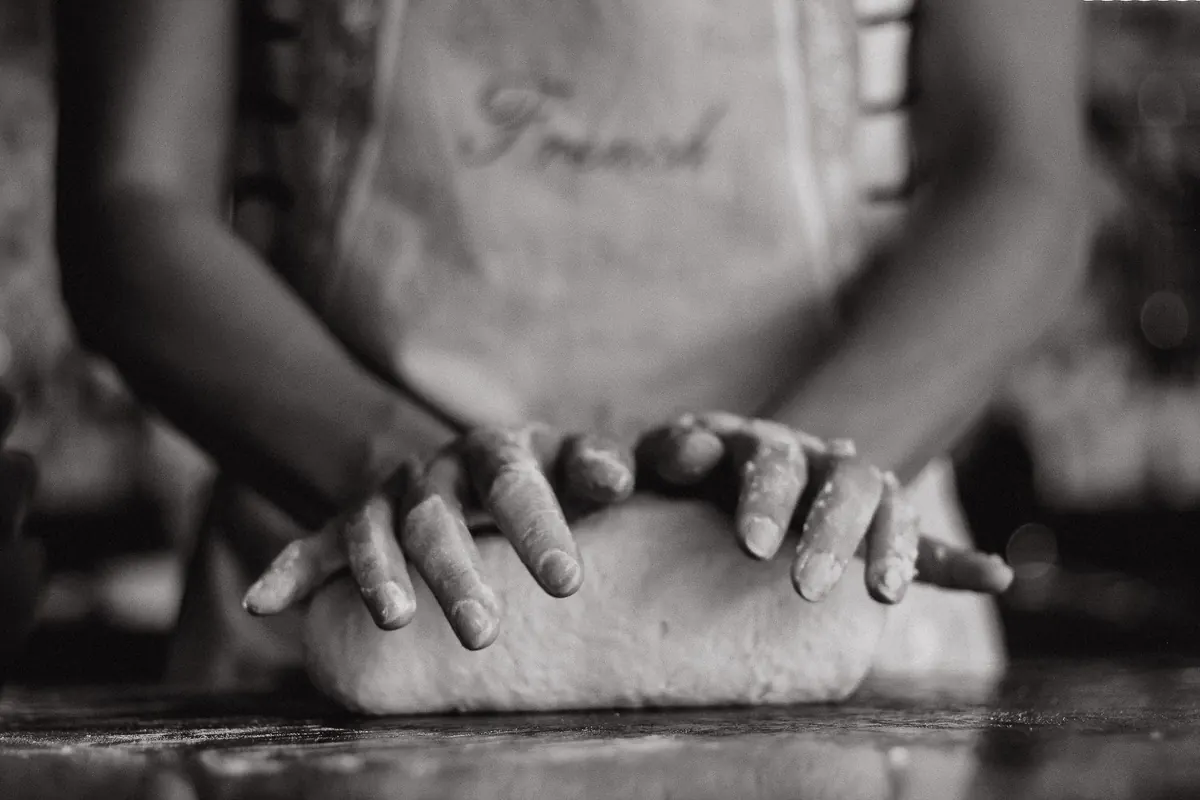
Hard red wheat comes in winter and spring types. Winter wheat is sown in autumn and tends to be slightly milder; spring wheat is denser and often a touch stronger. Both make flour that wants to be developed. Mix a whole-grain hard red dough and it will feel rough at first, then smooth out as the gluten organizes, then turn supple and springy under your hand.
This is bread flour territory. Sourdough boules, sandwich loaves, pizza, bagels, pretzels, laminated doughs, and anything that needs oven spring and a chewy crumb all want the strength hard red provides. Whole-grain hard red needs more water than white flour and benefits from a twenty-to-thirty-minute rest before you add salt or start kneading, so the bran has time to hydrate instead of cutting through the gluten you are trying to build. Knead it properly, or use stretch-and-folds, and give it a full proof. Rush it and you get a dense brick with a bitter edge.
Soft White Wheat: The Tender One
Soft white wheat is the pastry side of the family. Its gluten is too weak to trap much gas, and that is the point. Weak gluten means a short, delicate structure, which is exactly what you want in a biscuit that splits into layers, a pie crust that shatters, or a muffin with a soft crumb. Most commercial cake flour and pastry flour are milled from soft wheat for this reason, and all-purpose flour is often a blend of hard and soft to hit the middle.
Handle soft white gently. Stir the dough together until it just comes together and stop; overmixing turns biscuits tough and muffins tunnelled. Chilling helps doughs made with soft white, since the fat needs to stay cold and the flour has no strength to spare. Whole-grain soft white is also the gentlest introduction to whole grains for anyone raised on white bread: the bran is pale, the flavor is mild, and the texture stays light.
Flavor: Bran, Sweetness, and Fresh Milling
Hard red whole wheat tastes like something. It is earthy and assertive, with a faint bitterness that comes from the red bran, and it leans savory. It pairs well with butter, seeds, cheese, molasses, and long fermentation, which softens the edge and adds depth. Use it where you want the grain to be heard.
Soft white whole wheat is quiet. The flavor is sweet, milky, and slightly grassy, and it lets fruit, vanilla, and sugar do the talking. In a cookie or a scone, that restraint is a virtue. Both flours are best fresh: whole-grain flours carry oils from the bran and germ that turn stale faster than white flour, so buy in amounts you will use and keep the bag cold. A week in the pantry is fine; a month is not.
Matching the Flour to the Bake
- Sourdough, sandwich loaves, pizza, bagels, pretzels: hard red, or a hard red and hard white blend for a lighter color.
- Pie crust, biscuits, scones, shortbread: soft white, handled as little as possible.
- Muffins, pancakes, waffles, quick breads: soft white, for a tender crumb that does not taste heavy.
- Cakes and sponge: soft white pastry flour, sifted, with the liquid added gradually.
- Cookies: soft white for a delicate snap; hard red for a chewier, earthier cookie.
- Crackers and flatbreads: soft white rolls out easily and bakes crisp without toughening.
- Soft sandwich bread: mostly hard red with 20 to 30 percent soft white for a finer crumb.
Blending, Substituting, and Reading the Bag
You can move a flour from one column to the other, within limits. In a yeast bread, replacing up to a quarter of the hard red with soft white gives a softer crumb without collapsing the loaf. Going further usually means a squat, crumbly result, unless you add a spoonful of vital wheat gluten and follow the package directions. Going the other way, soft white baked with a hard wheat flour added will lose its delicacy quickly.
Water is the other adjustment. When you swap in soft white, hold back a little liquid and add it only if the dough or batter looks dry. When you swap in hard red whole wheat, expect to add more, sometimes noticeably more, and give the dough a rest before judging it. Judge hydration after twenty minutes, not immediately.
Labels help more than most bakers realize. Look for the wheat class on the bag: hard red winter, hard red spring, soft white. Whole wheat pastry flour is almost always soft white. So-called white whole wheat is usually milled from hard white wheat, which sits between the two: hard enough for bread, mild enough not to shout. If a bag says only "whole wheat flour," assume hard red and plan accordingly.
A Practical Way to Choose
Keep one bag of each on hand if you bake often, and let the recipe decide. If the bake needs lift, chew, and structure, reach for hard red. If it needs tenderness, shortness, or a delicate crumb, reach for soft white. When you want both, blend, leaning on hard red for the frame and soft white for the finish.
The fastest way to learn the difference is to bake the same recipe twice. Make a batch of biscuits with soft white and another with hard red, side by side, and note which one you preferred and why. Do the same with a small loaf. Two batches, one afternoon, and the two bags on your shelf stop being interchangeable and start being tools.
Photo: RitaE / Pixabay